

Περιγραφή
Aρωμα τριαντάφυλλου σε πρώτο πλάνο και κυρίαρχες γευσεις τροπικών φρούτων, όπως λίτσι, αλλά και κερασιού. Μέτριο σώμα και ζωηρή οξύτητα.
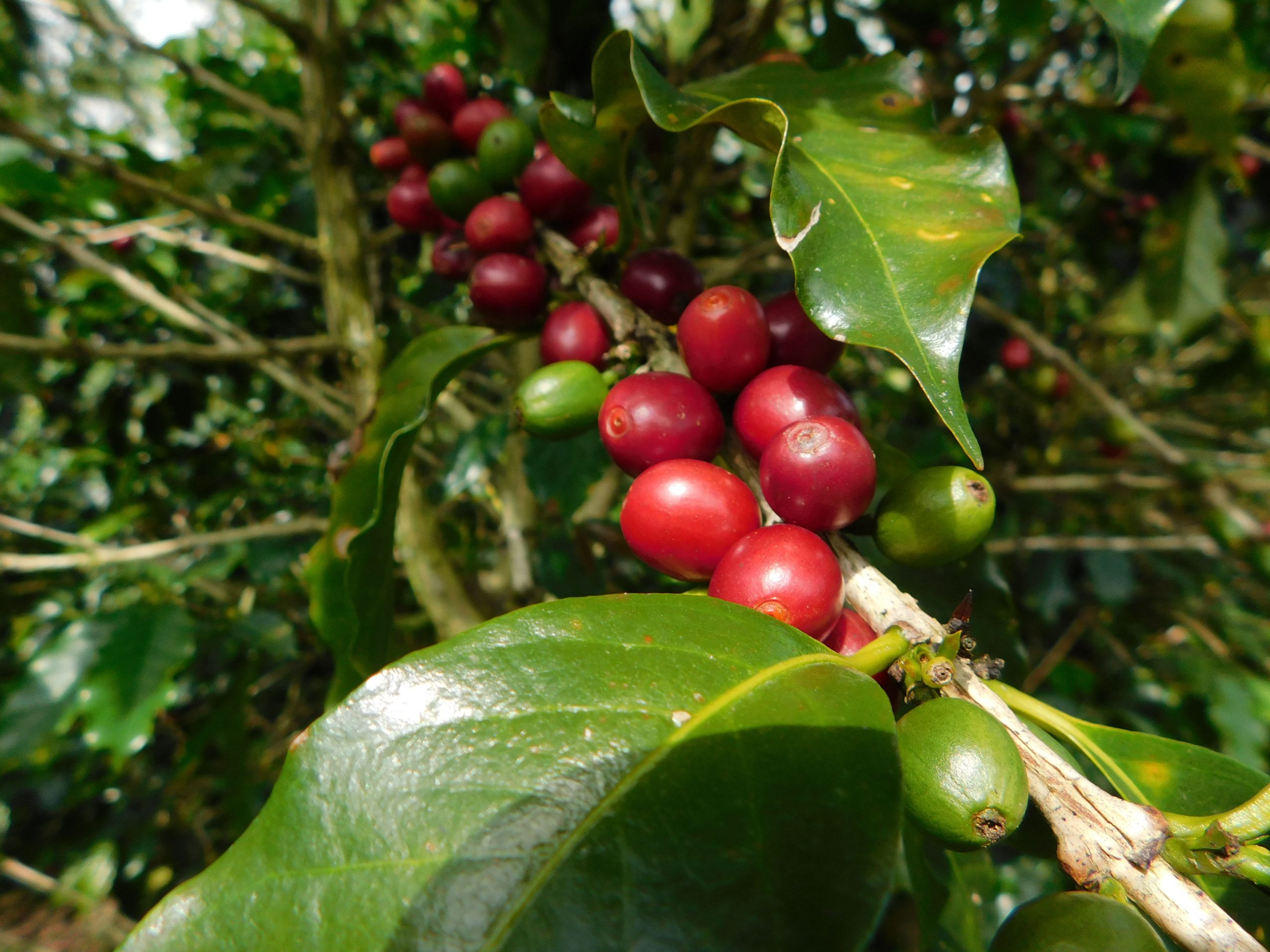
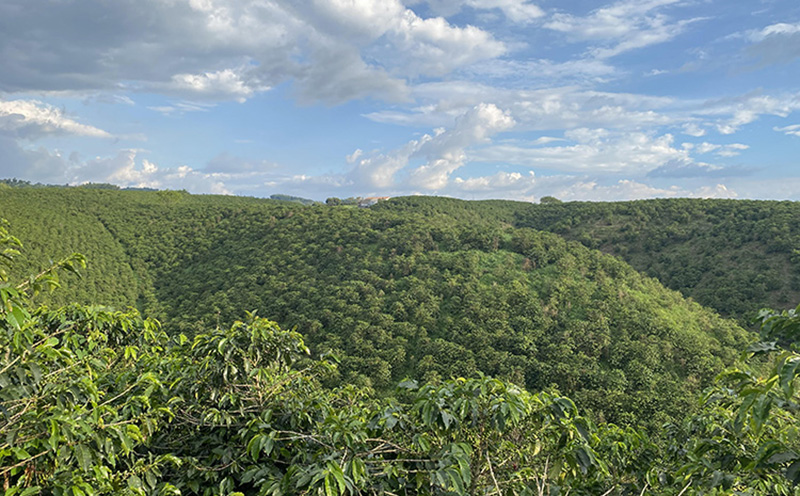
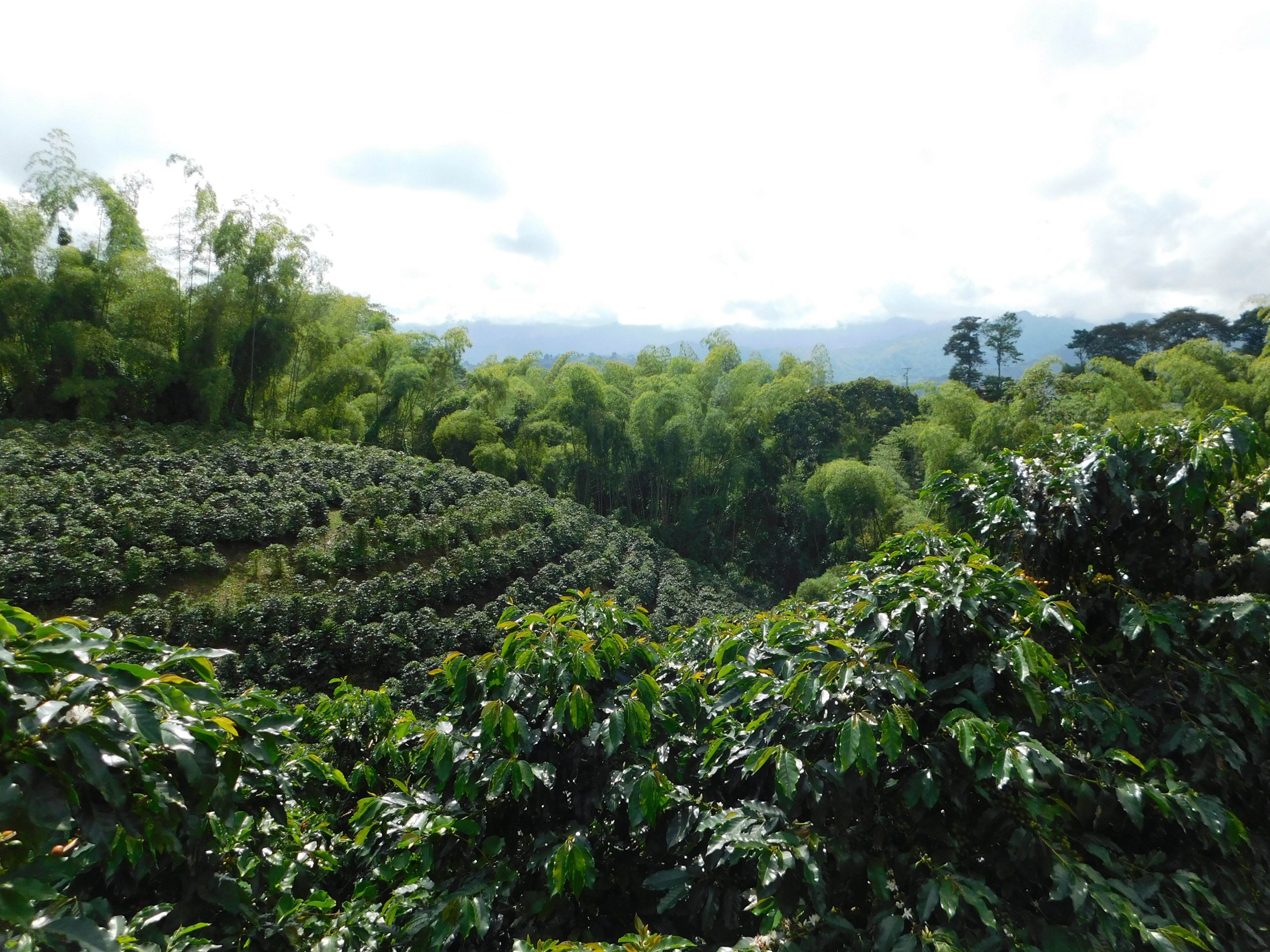
Chiroso’s story begins in the high altitude coffee growing region of Urrao in the department of Antioquia, Colombia where it emerged as a natural mutation. For years, it was cultivated by local farmers who appreciated its adaptability to the cool climate and its consistent yields.
However, it wasn’t until its success in prestigious coffee competitions like the Cup of Excellence, where it has claimed top awards multiple times, that Chiroso gained international recognition. Its ability to thrive in cooler temperatures and produce a complex, high quality cup profile has
made it a favourite among coffee professionals and farmers alike.
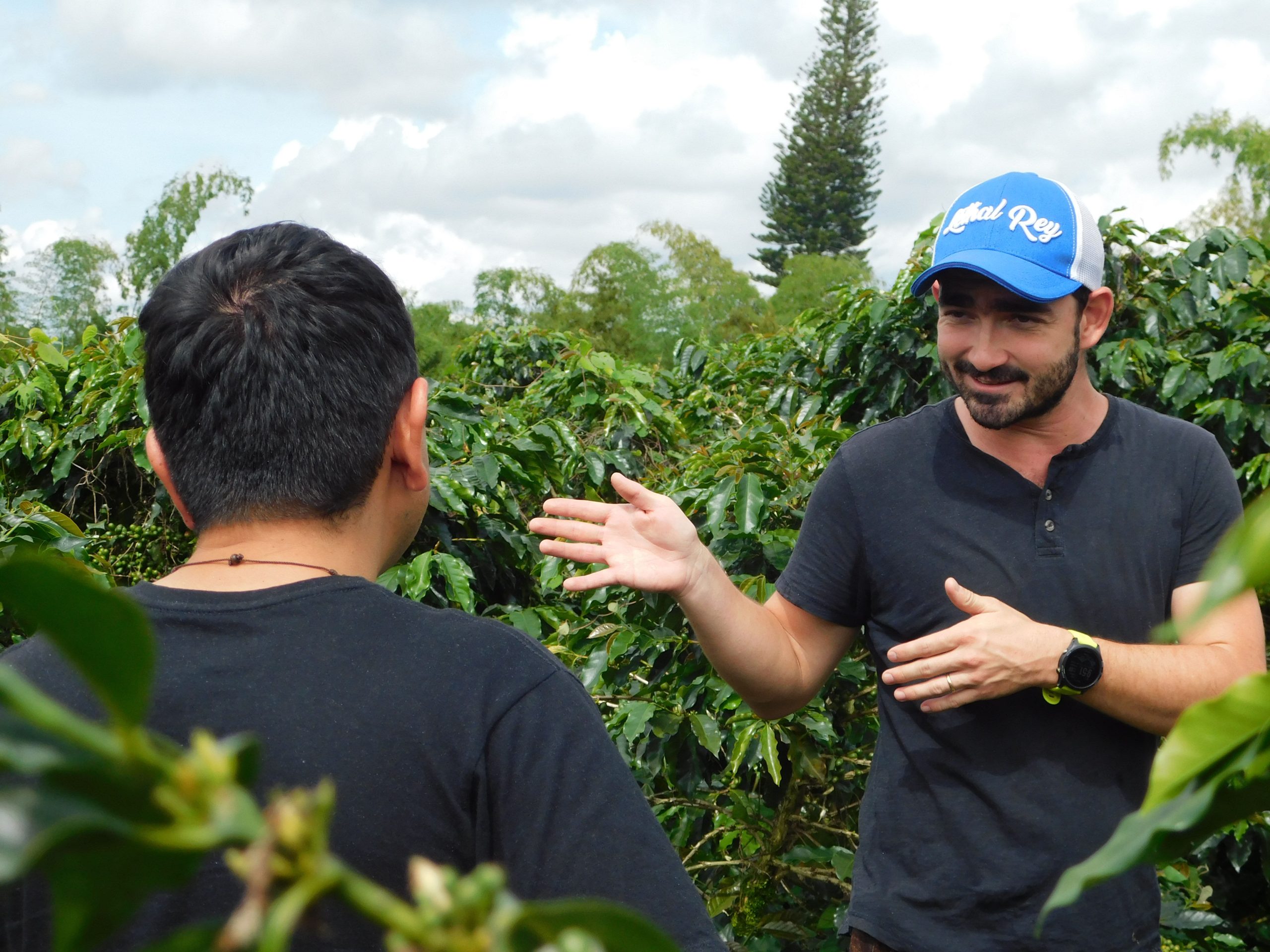
Arturo and his team of pickers selectively harvest only the ripest cherries The cherries are then transported to El Paraiso sorting area, where the team meticulously hand sorts and float them to eliminate any low density, underripe, or defective beans. Then, the cherries are transported
to processing center, La Pradera in Grainpro bags or suitable containers to preserve their freshness.
Upon arrival, the cherries are placed in water tanks to float them, removing any low density beans and external material. The water used in
this stage is recycled for more baches that require floating. Once this water is no longer suitable to be used for floating, it is filtered through a series of specialized tanks before being irrigated into vetiver grass beds and is released as oxygen. This natural filtration process purifies the water, ensuring no contaminated water is discharged from the processing center and maintaining an environmentally sustainable operation.
After floating, the cherries undergo a meticulous hand sorting stage. Here, any unripe, overripe, or faulty cherries are eliminated to ensure only the best cherries move forward in the process. For this lot, cherries are exposed to 45 hour aerobic fermentation. This method highlights the
intrinsic flavors of the coffee, resulting in a cup that is rich, complex, and deeply connected to its origin. Afterwards, cherries are spread out on raised beds. The cherries are carefully monitored and turned regularly to ensure uniform drying and to prevent over fermentation or mold.
The drying process can take between 8 to 12 days, during which the sugars and flavors from the fruit slowly permeate the beans. This creates a unique profile characterized by intense fruitiness, sweetness, and a full body.
Crop 2026
Our recipies:
v60 : 15 gr in ~ 250 gr water ~ 91 C ~ extraction time : 2 min + 30 sec.
espresso: 19 gr in ~ 38 gr out ~ 92 C ~ extraction time : 29 – 31 sec.
